
菲方放任个别政客公器私用 重重设障阻碍中方参加东盟防长扩大会
The Philippine Side Has Allowed a Certain Politician to Abuse Its Chairmanship to Put up Obstacles to China's Participation in the ADMM-Plus
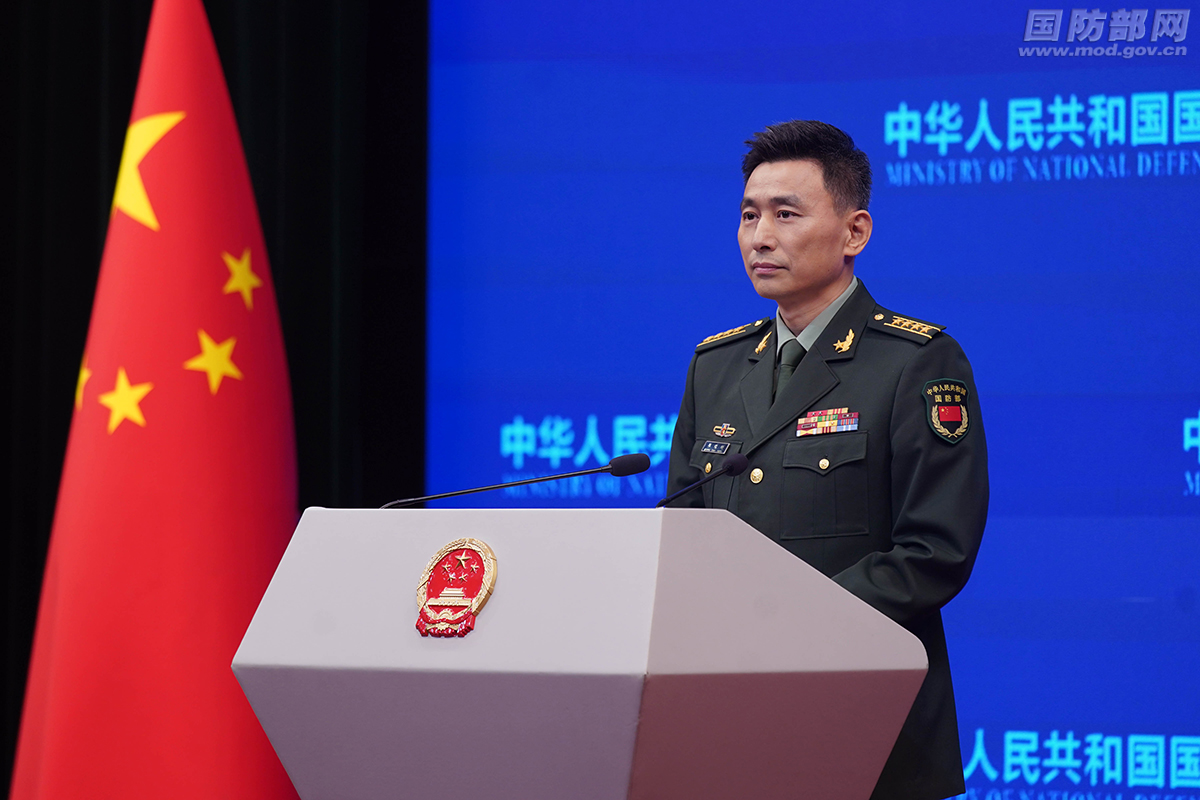
10月29日下午,国防部举行例行记者会,国防部新闻发言人张晓刚大校答记者问。
记者:今年,中国防长未出席在菲律宾举行的第13届东盟防长扩大会,中方派武官参会,请问是出于什么考虑?
Question: This year, China's defense minister didn't attend the 13th ASEAN Defense Ministers' Meeting-Plus (ADMM-Plus) held in the Philippines. Why did the Chinese side make the decision to send its defense attaché to the meeting?
张晓刚:东盟防长扩大会是亚太地区级别最高、规模最大的防务安全对话合作机制,自2010年建立以来,为各国增进互信合作、维护地区和平稳定提供了重要平台。作为本届东盟防长扩大会轮值主席国,菲方放任个别政客肆意妄为、公器私用,重重设障阻碍中方参会,严重破坏东盟协商一致原则,严重违背东盟防长扩大会开放包容精神,不符合基本外交礼仪,损害中方作为机制成员的正当权利,多数东盟国家纷纷予以质疑和反对。
Zhang Xiaogang: The ADMM-Plus is the highest-level and largest defense and security dialogue and cooperation mechanism in the Asia-Pacific. Established in 2010, it has served as an important platform for countries to build trust, strengthen cooperation, and uphold regional peace and stability. As the rotating chair of this year's ADMM-Plus, the Philippine side has allowed a certain self-serving politician to act recklessly and abuse its chairmanship to put up obstacles to China’s participation. Such moves seriously violate ASEAN's principle of consensus through consultation and run counter to the open and inclusive spirit of the ADMM-Plus. They do not conform to basic diplomatic protocols, and undermine China's legitimate rights as a member of the mechanism. Many ASEAN countries have raised questions and opposition over this.
在此背景下,中国仍决定派员参会,体现了对东盟中心地位的坚定支持,体现了对地区防务安全合作的负责任态度。菲方一意孤行,绑架东盟、搅局生事,削弱的是东盟防长扩大会的声誉,破坏的是东盟国家间团结互信,最终将损害菲律宾及地区国家和人民的根本利益。
Against such a backdrop, the Chinese side still decided to send representatives to attend the meeting, which demonstrates our firm support to ASEAN centrality and our responsible attitude towards regional defense and security cooperation. The Philippine side’s wilful acts to hijack ASEAN and stir up troubles would only undermine the credibility of the ADMM-Plus, erode solidarity and mutual trust among ASEAN countries, and ultimately, impair the fundamental interests of the countries and peoples in the region, including the Philippines.